

What would happen to your business profit if you raised prices by 10%? Could you afford an additional employee if monthly revenue remained unchanged? How much would a supplier cost increase reduce your operating margin, and what would happen if sale...
Read More


How much revenue does your business need to generate each month before it starts making an operating profit? This is one of the most important financial questions a small business owner can answer, yet many owners rely on rough estimates instead of ...
Read More

Running a successful small business requires more than generating revenue. Owners need to understand how much money remains after expenses, whether current pricing supports profitability, and how financial decisions could affect future performance. ...
Read More
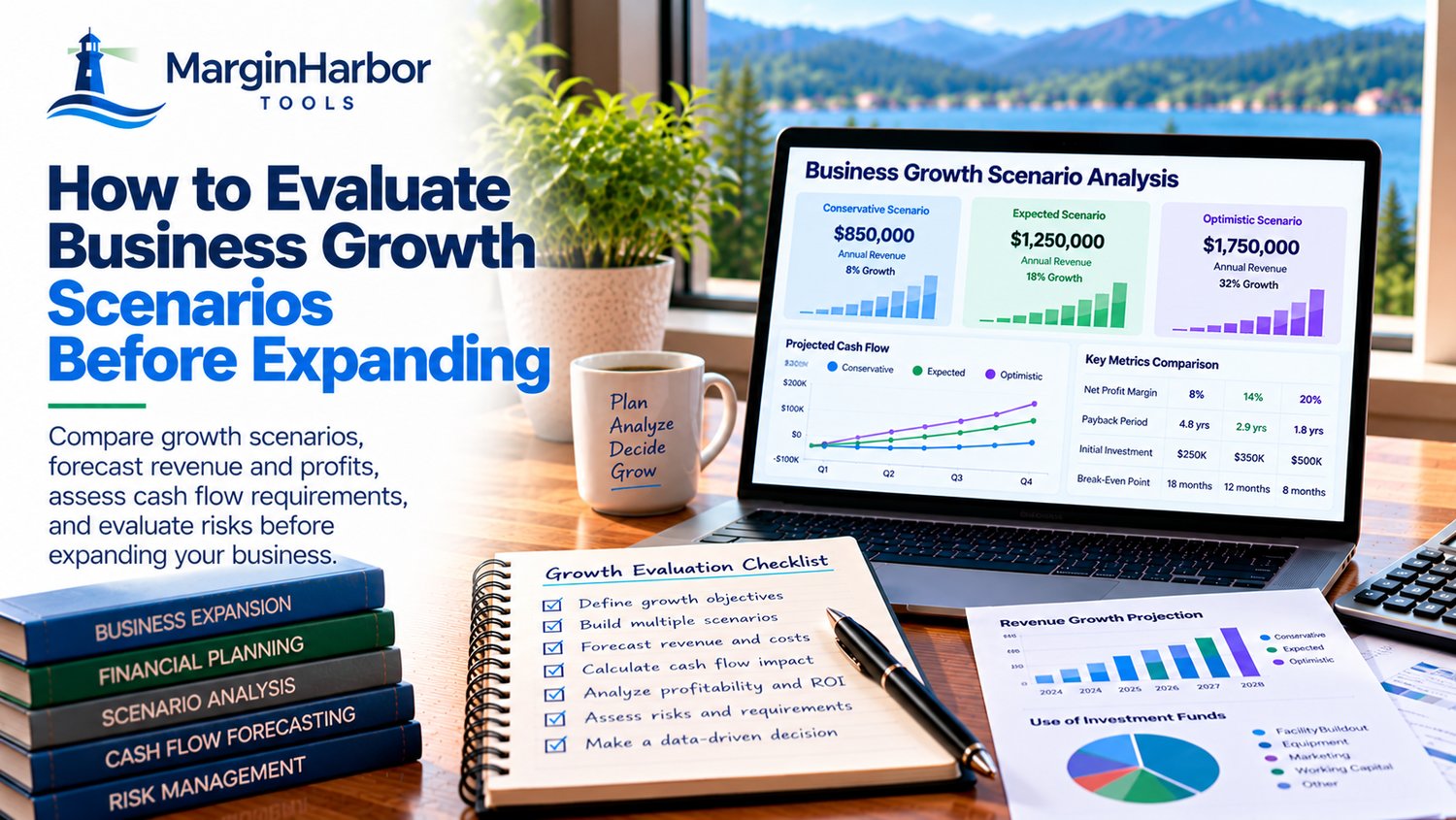
Business growth can create exciting opportunities, but expansion also introduces financial commitments that can place significant pressure on cash flow and profitability. Opening another location, hiring additional employees, increasing production c...
Read More

A product can generate substantial revenue without contributing much profit to a business. Another product may sell fewer units but produce stronger margins, require less inventory investment, and contribute more effectively to overall financial per...
Read More
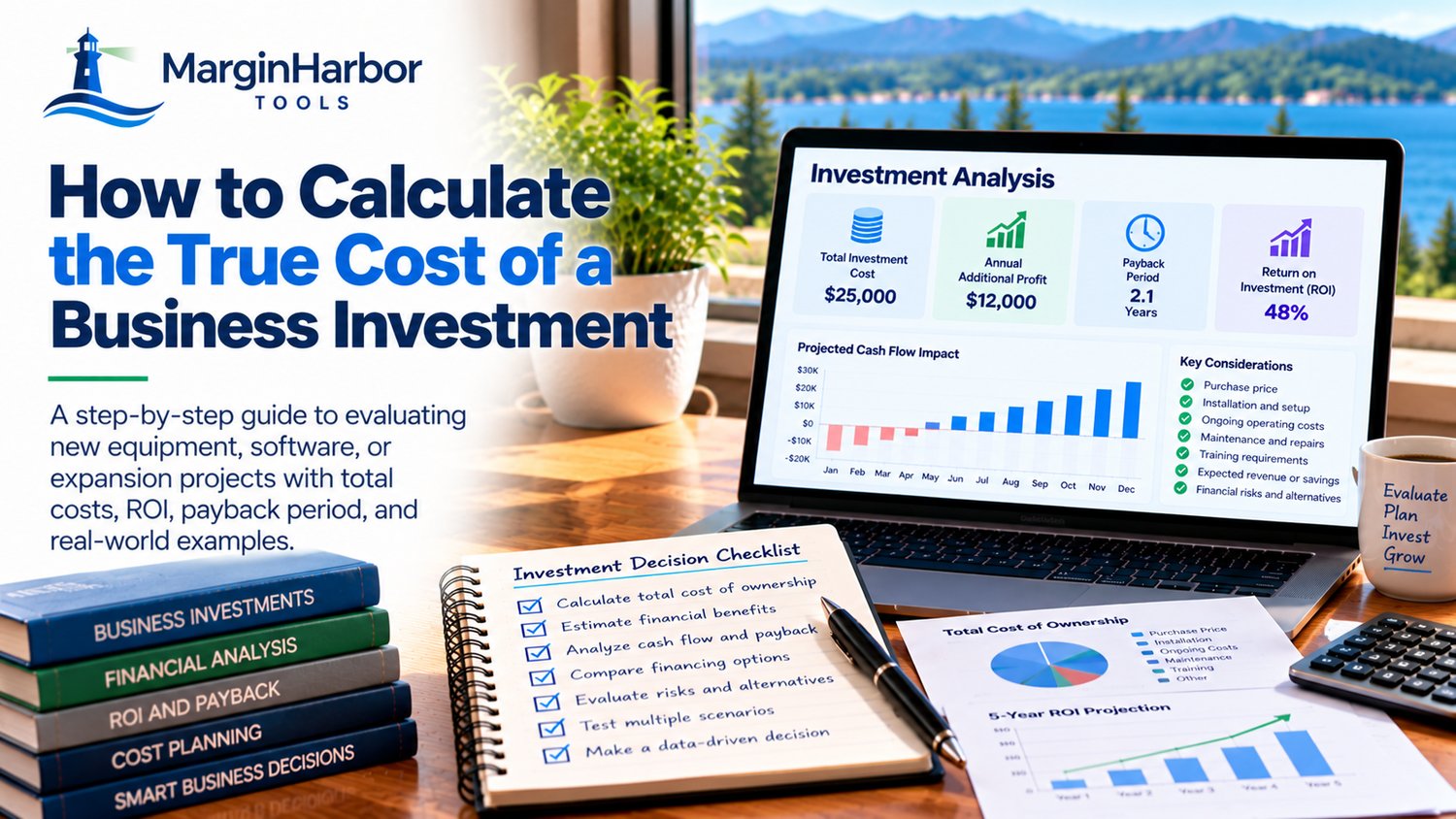
Every business investment begins with an expectation: spending money today should create greater financial value in the future. Whether a small business is purchasing equipment, adopting new software, opening another location, or expanding productio...
Read More

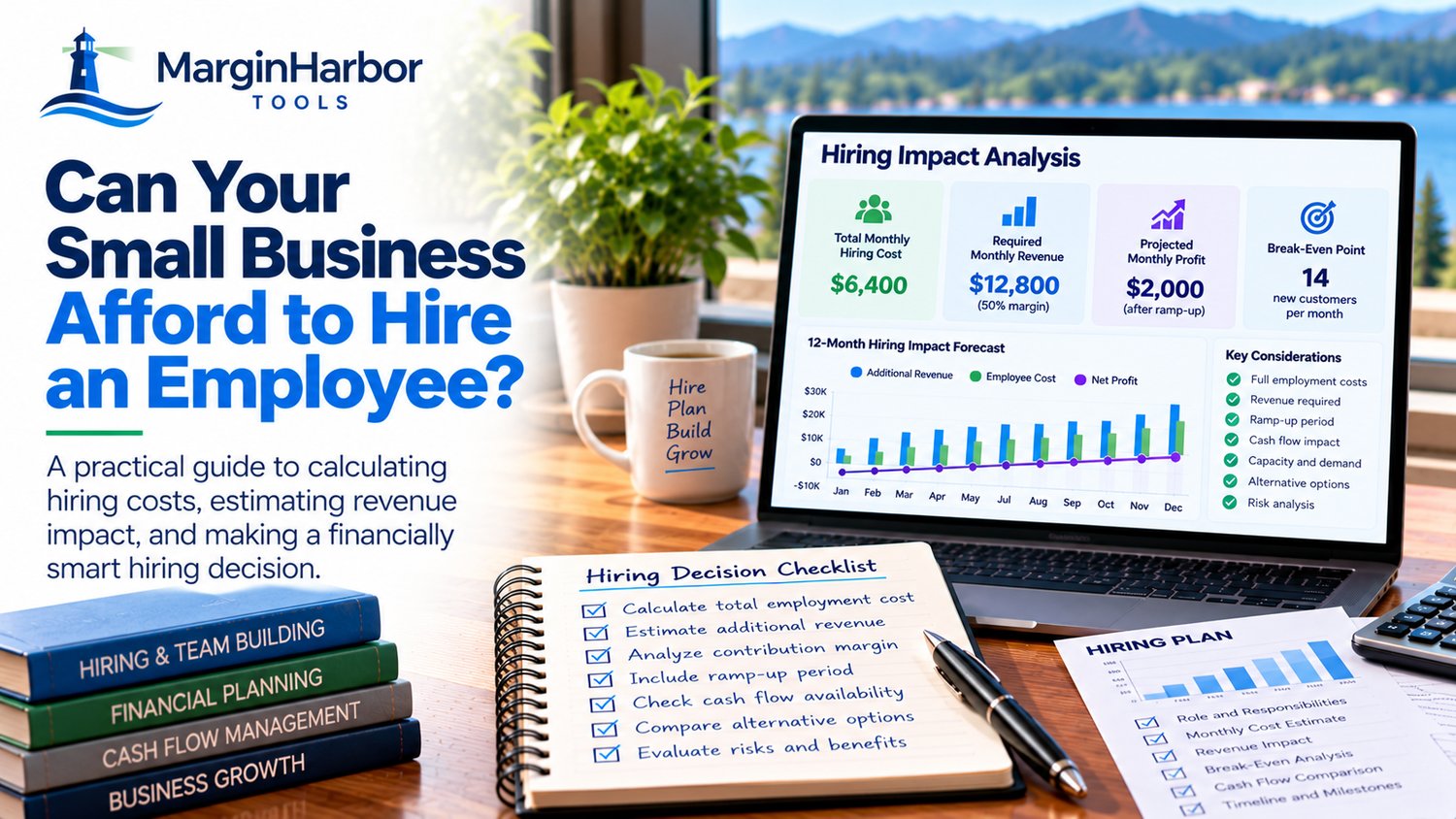
Hiring your first employee or expanding an existing team can be an important milestone for a small business. Additional employees may increase production capacity, improve customer service, reduce operational bottlenecks, and allow business owners t...
Read More

Cash flow problems rarely appear without warning. In many small businesses, financial pressure develops gradually as customer payments slow, operating expenses increase, cash balances decline, or financial obligations accumulate. These changes may i...
Read More

A 12-month revenue forecast helps small business owners estimate future sales, evaluate growth opportunities, and make financial decisions based on realistic expectations rather than assumptions. Whether a company sells physical products, provides p...
Read More

Creating a monthly small business budget is one of the most practical ways to improve financial control, manage operating expenses, and make informed business decisions. Without a structured budget, business owners may understand how much revenue th...
Read More

A small business can be profitable, generate consistent revenue, and still face serious financial difficulties when unexpected expenses or delayed customer payments occur. Without sufficient cash reserves, even a temporary disruption can create pres...
Read More

A business can generate strong sales, report healthy profits, and still struggle to pay its bills. This situation often surprises small business owners who assume that profitability automatically means sufficient money is available in the bank. In r...
Read More

Setting monthly revenue targets is one of the most important financial planning activities for a small business. However, many entrepreneurs establish sales goals based on arbitrary numbers, previous performance, or the amount of revenue they hope t...
Read More

How to Find and Reduce Hidden Business Expenses Hidden business expenses can quietly reduce profitability even when sales are increasing. Many small business owners focus on generating additional revenue while overlooking recurring charges, ineffici...
Read More
Increasing prices can be one of the most effective ways to improve business profitability, but it also introduces an important financial question: how will customers respond? A higher selling price may increase profit per transaction, yet it could a...
Read More