

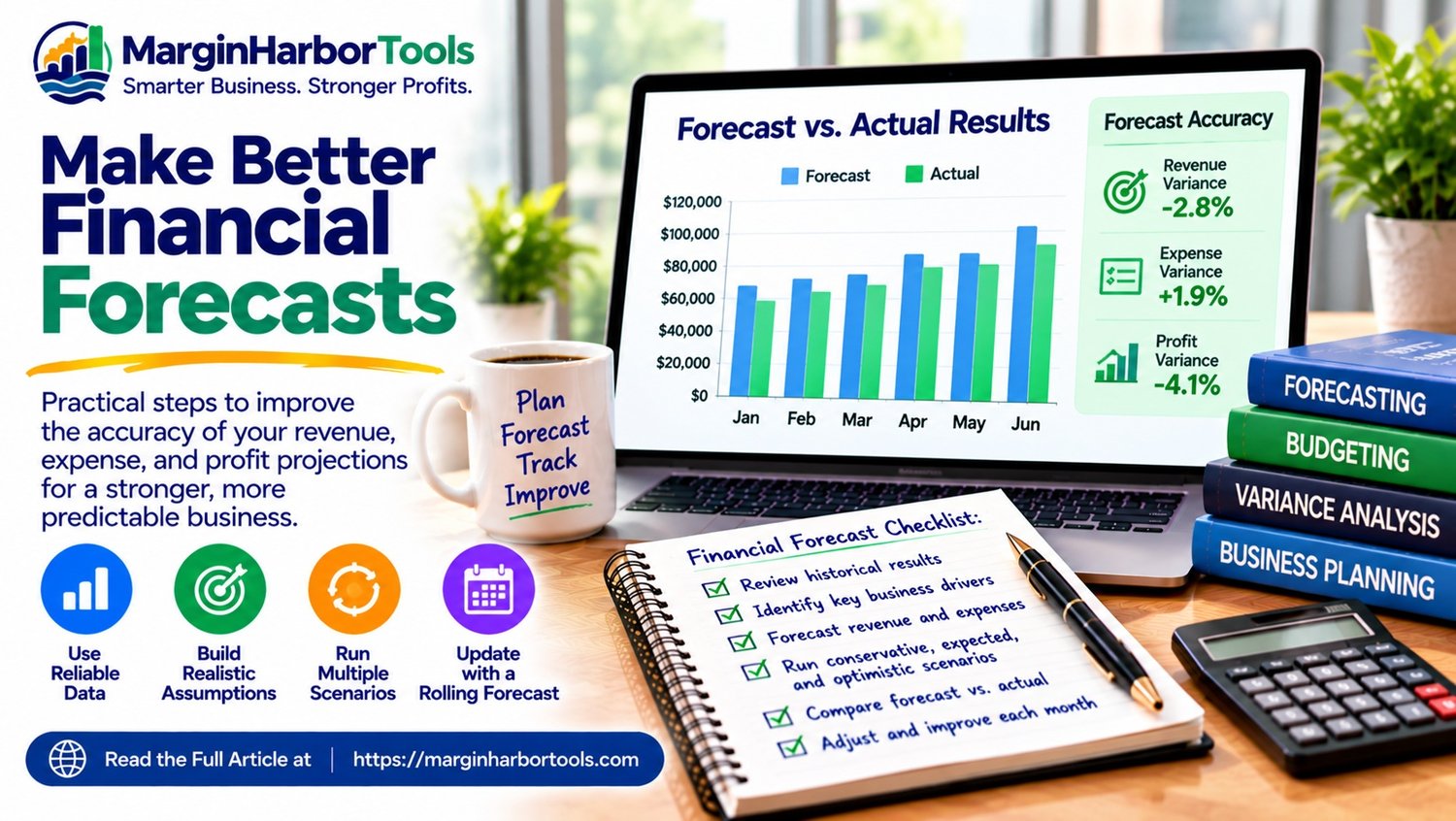
Financial forecasts help business owners anticipate revenue, estimate expenses, evaluate profitability, and prepare for future operating decisions. However, a forecast becomes less useful when its assumptions consistently differ from actual business...
Read More
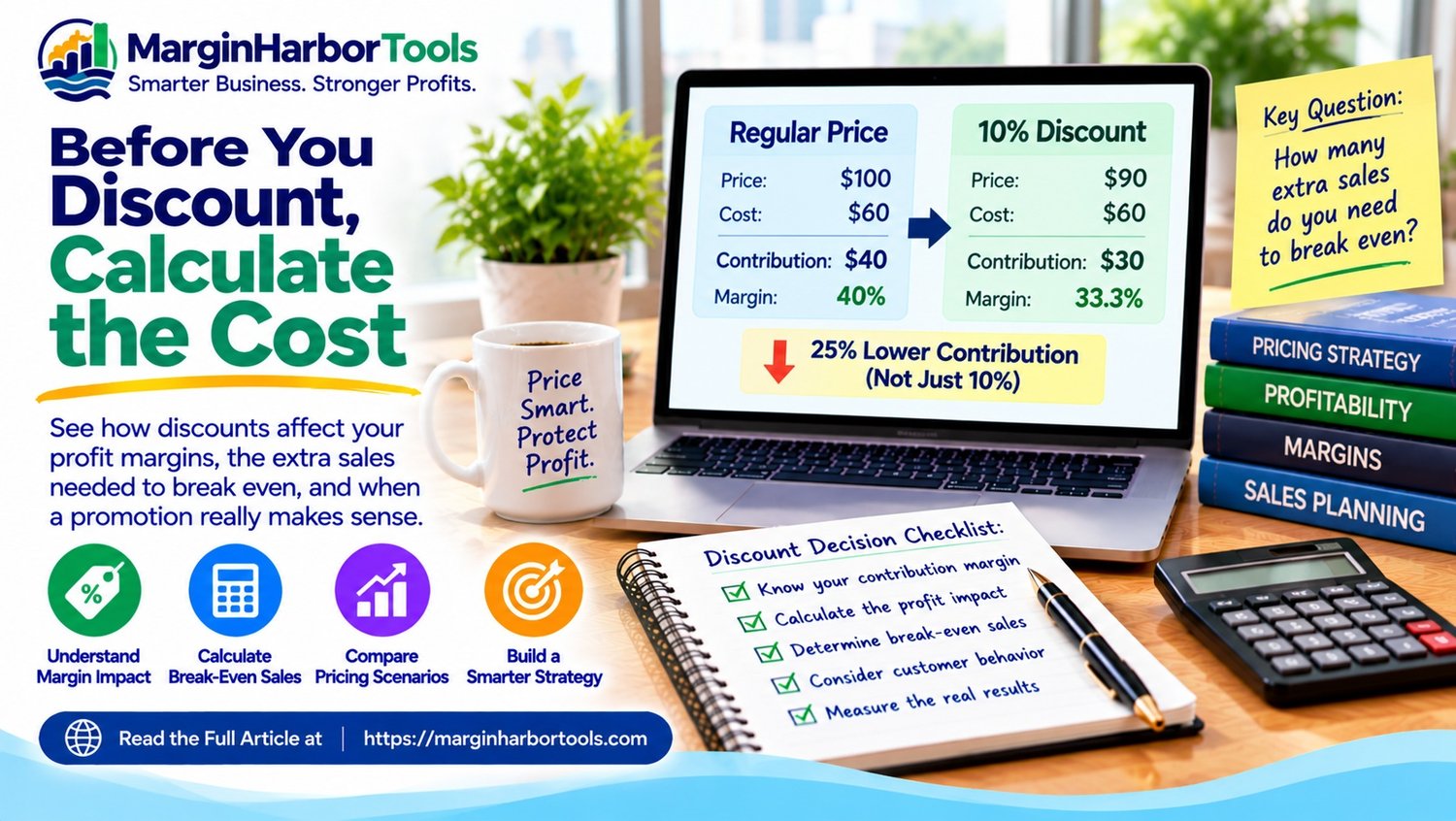
Discounts can be an effective way to attract customers, increase order volume, move inventory, and encourage repeat purchases. However, they can also reduce profitability far more than business owners expect. A 10% price discount does not necessaril...
Read More

A small business can report a healthy profit on its income statement while struggling to pay employees, suppliers, or other operating expenses. For owners who regularly review their sales and profitability, this situation can be confusing. If the co...
Read More
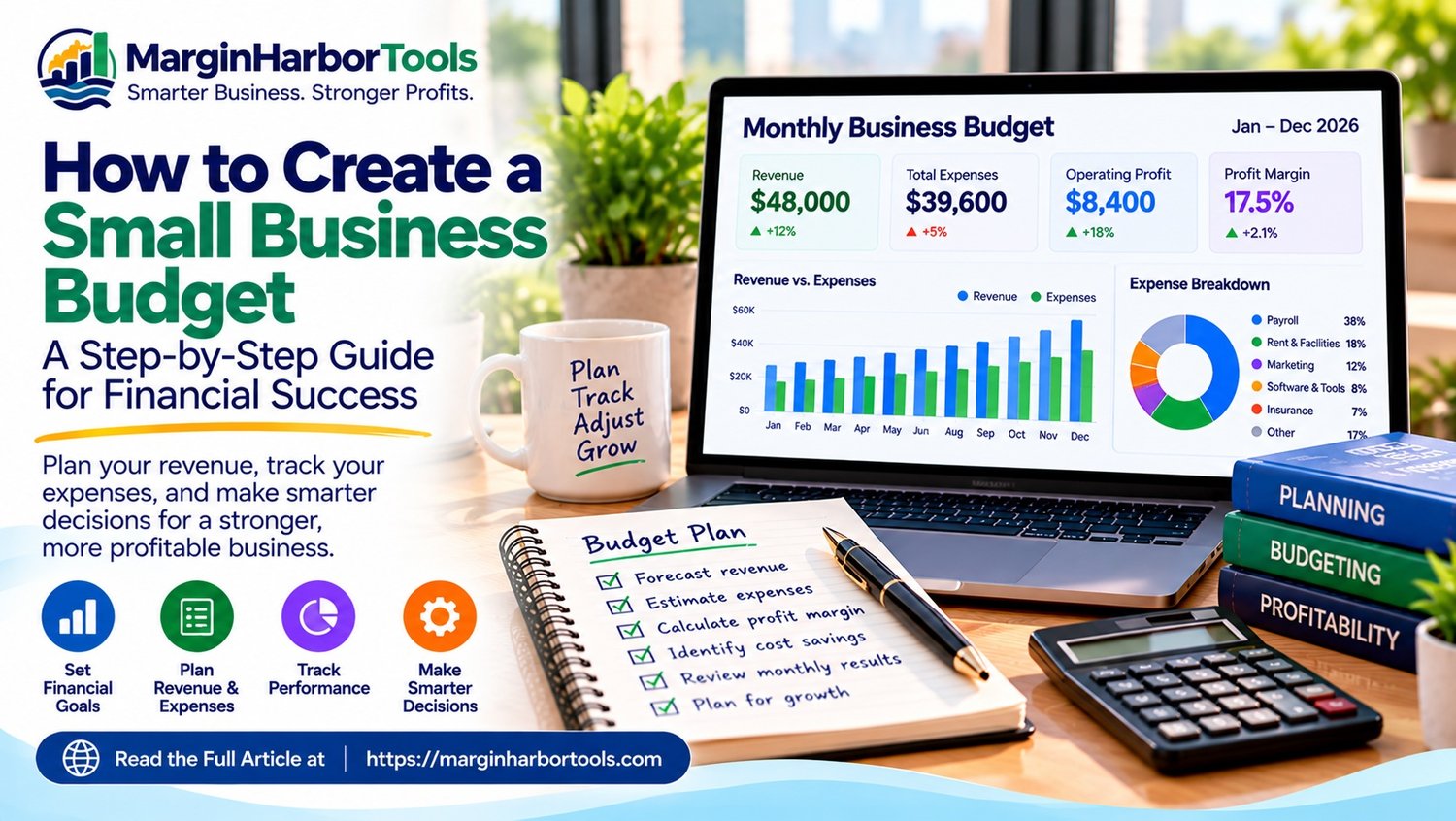
A small business budget is more than a list of expected expenses. It is a financial operating plan that connects anticipated revenue with the costs of running the company, helping owners understand whether their business model can support its commit...
Read More

A small business with available cash and outstanding debt faces an important financial decision. Paying down a loan can reduce interest expenses, improve the balance sheet, and potentially free up future cash flow. Keeping the money in reserve, howe...
Read More
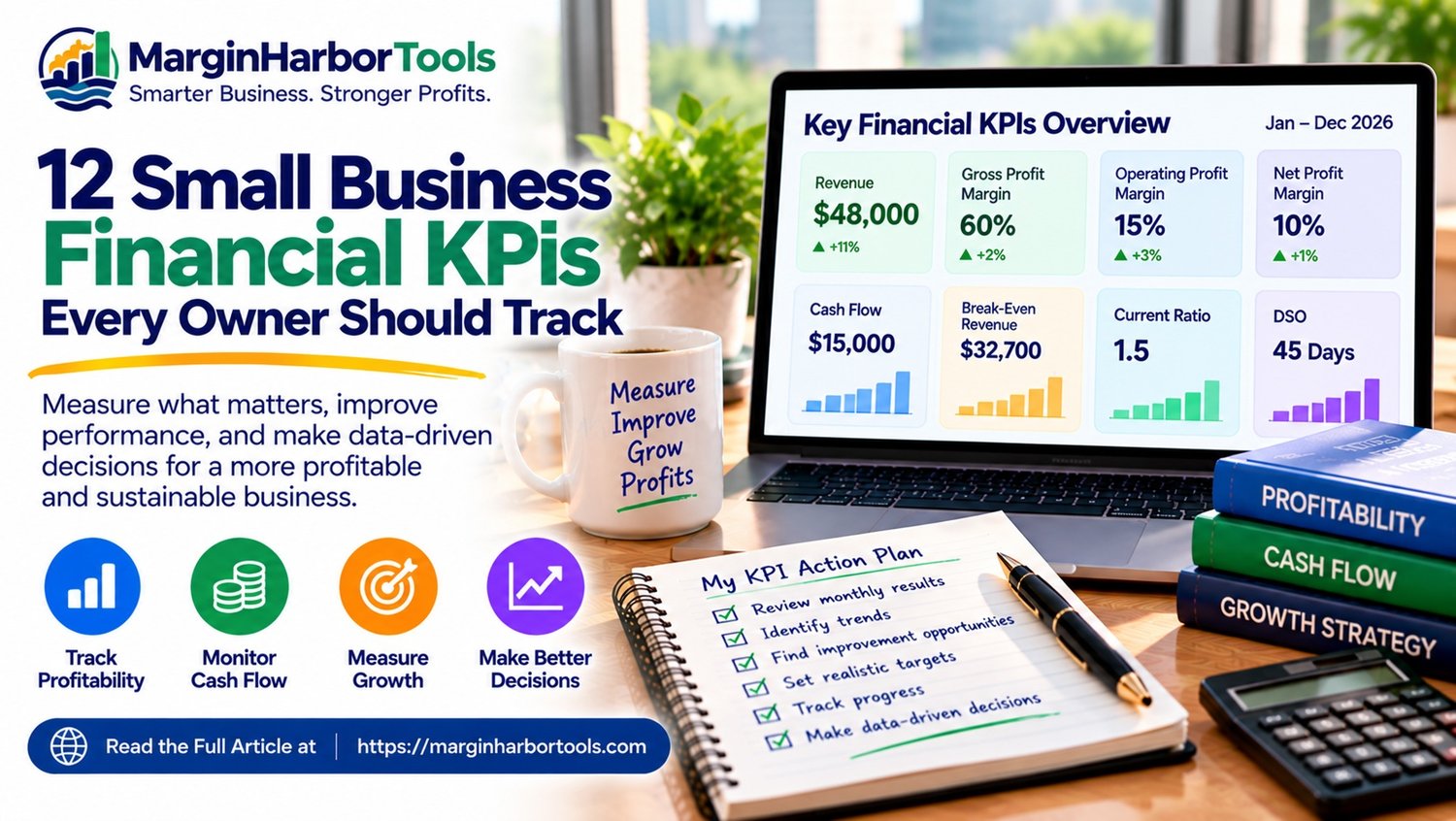
Small business owners make financial decisions every day, but many rely primarily on bank balances, monthly sales, or general impressions of business performance. These measures provide useful information, yet they rarely explain the full financial ...
Read More
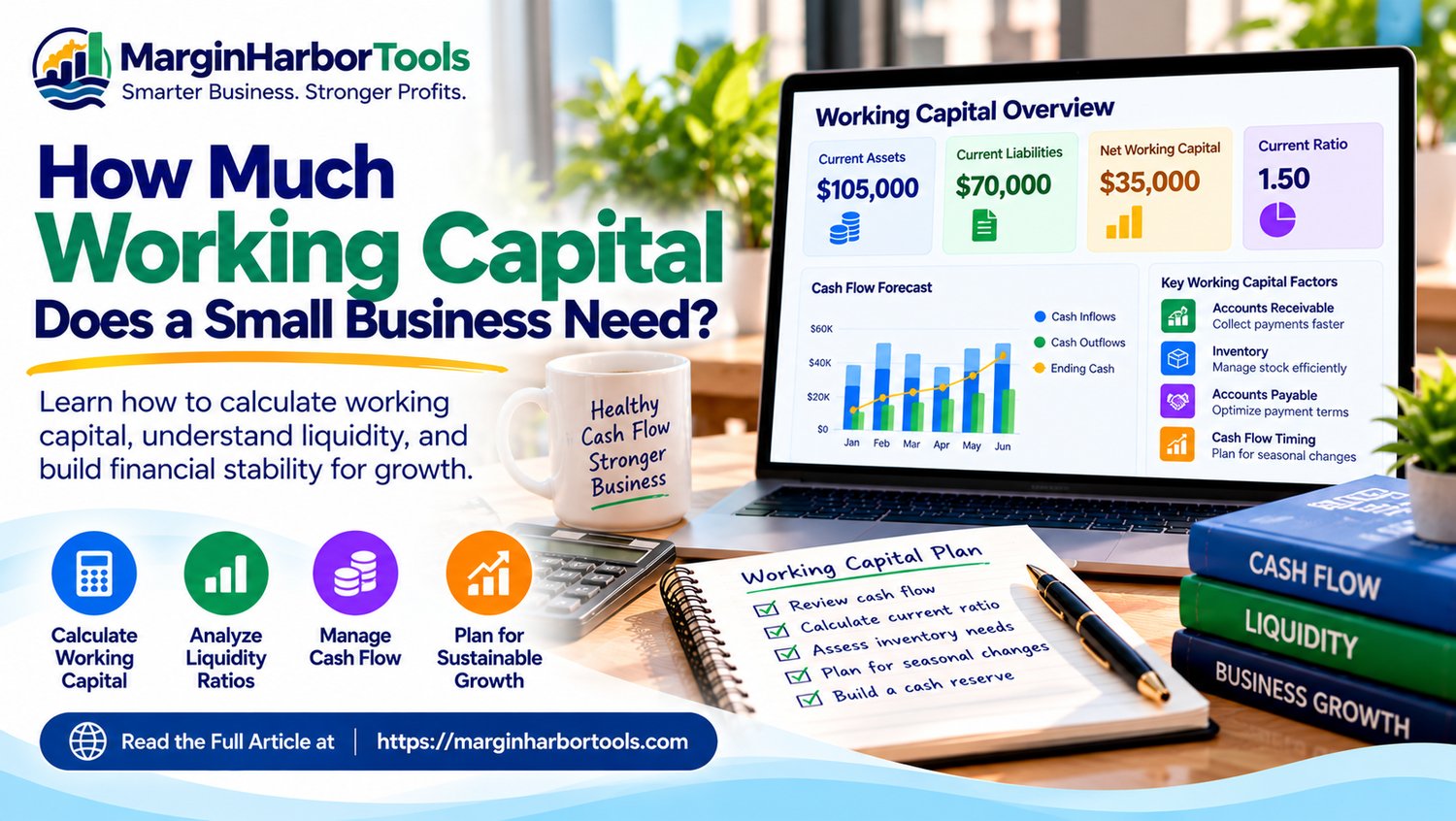
A small business can generate consistent revenue and report positive profits while still struggling to cover everyday operating expenses. Customer payments may arrive later than expected, inventory may remain unsold, and suppliers may require paymen...
Read More
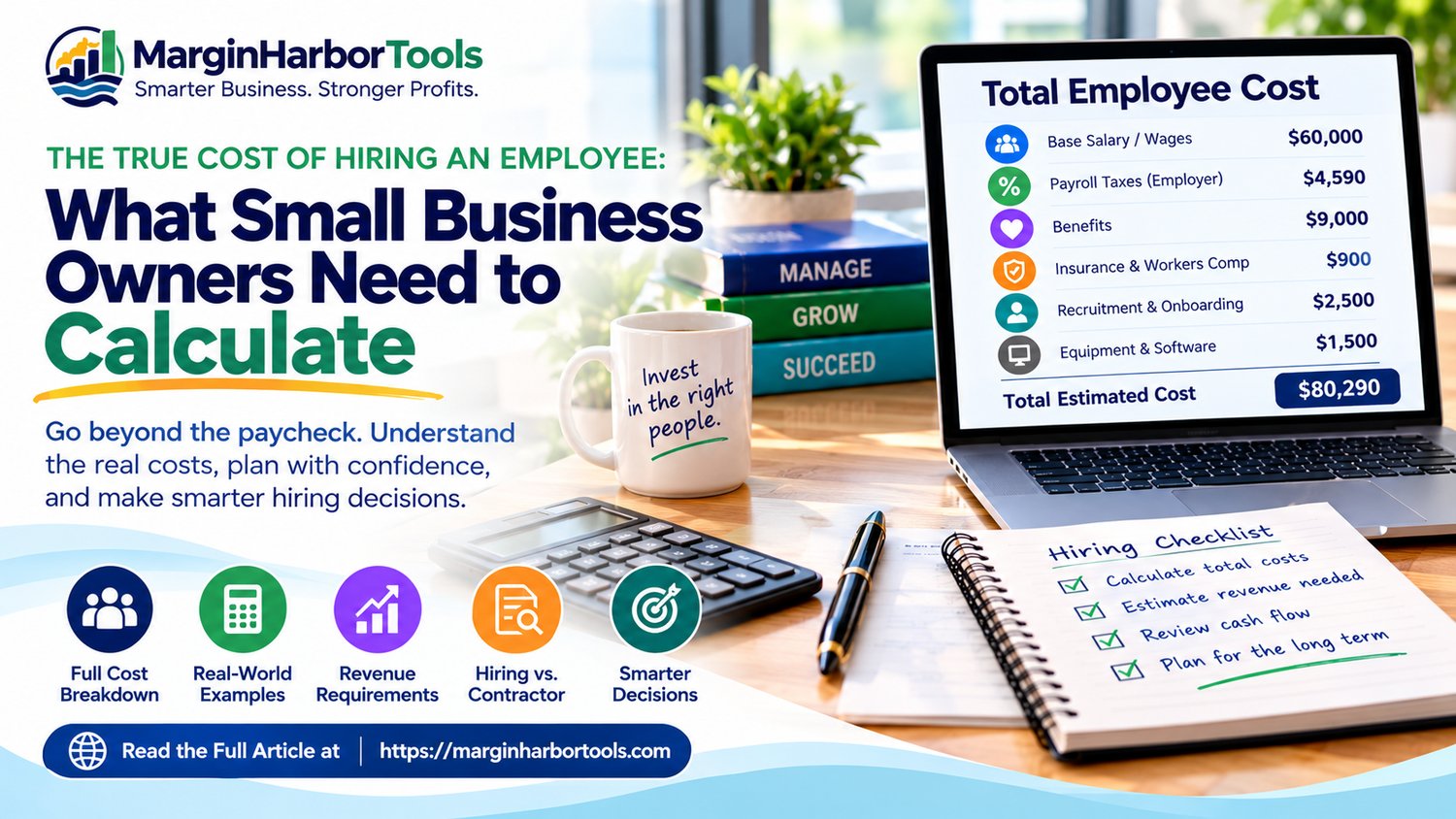
Hiring an employee is one of the most consequential financial decisions a small business owner can make. An additional team member can expand capacity, improve customer service, reduce delivery delays, and create opportunities for growth. However, t...
Read More
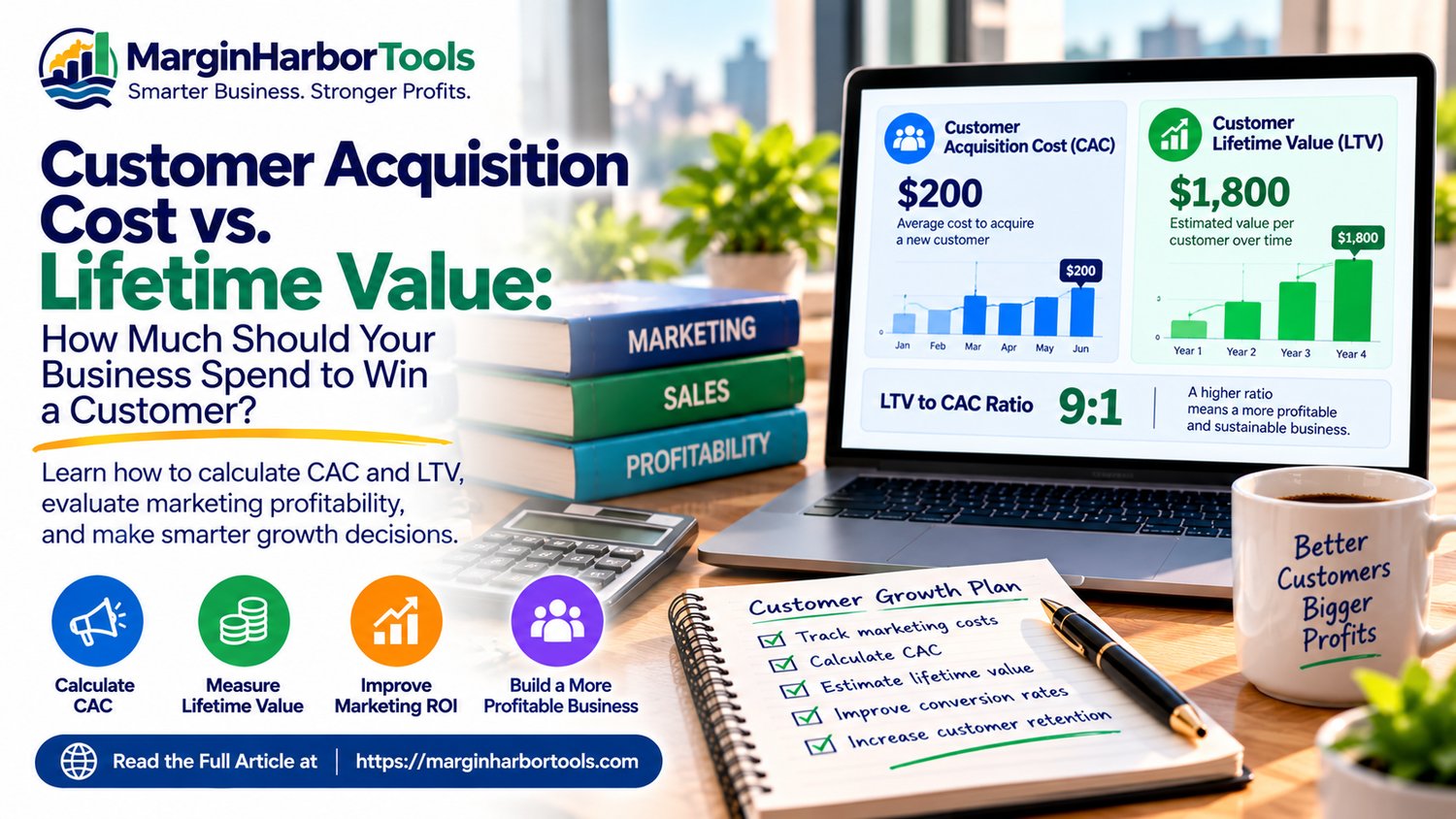
Small business owners frequently evaluate marketing success by counting leads, website visitors, appointments, and new customers. These measures provide useful information about demand, but they do not necessarily reveal whether the business is acqu...
Read More

A small business financial plan should do more than present attractive revenue projections. It should explain how the company expects to generate sales, what those sales will cost, how much operating profit may remain, and whether sufficient cash wi...
Read More

A business can report a profit, generate consistent sales, and still struggle to pay its bills. Customer payments may arrive weeks after invoices are issued, while payroll, rent, supplier invoices, and loan payments continue on fixed schedules. When...
Read More
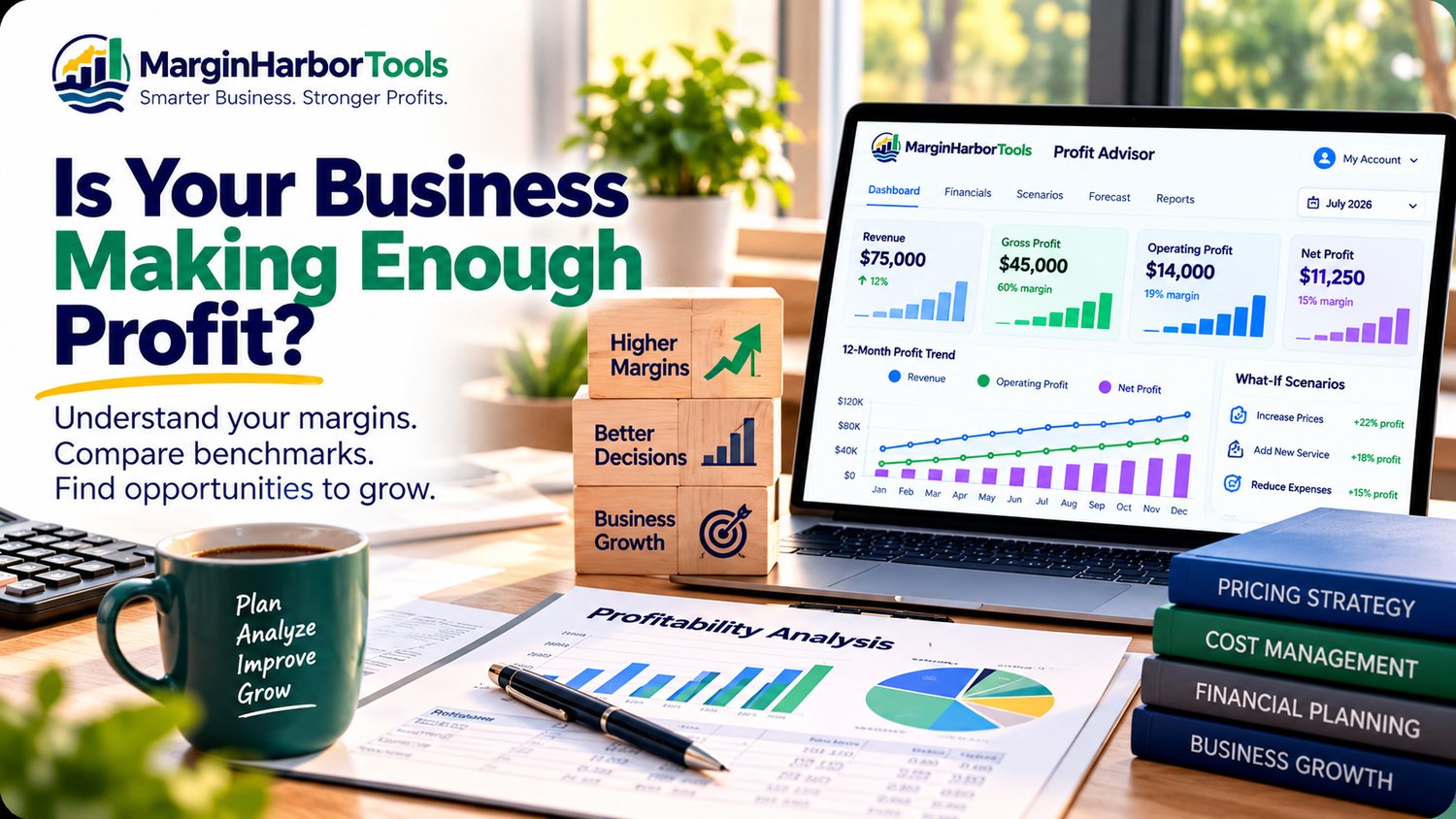
A small business can generate impressive revenue while retaining surprisingly little profit. Sales may increase every month, yet rising labor costs, supplier expenses, discounts, and overhead can consume much of that growth. For business owners, the...
Read More
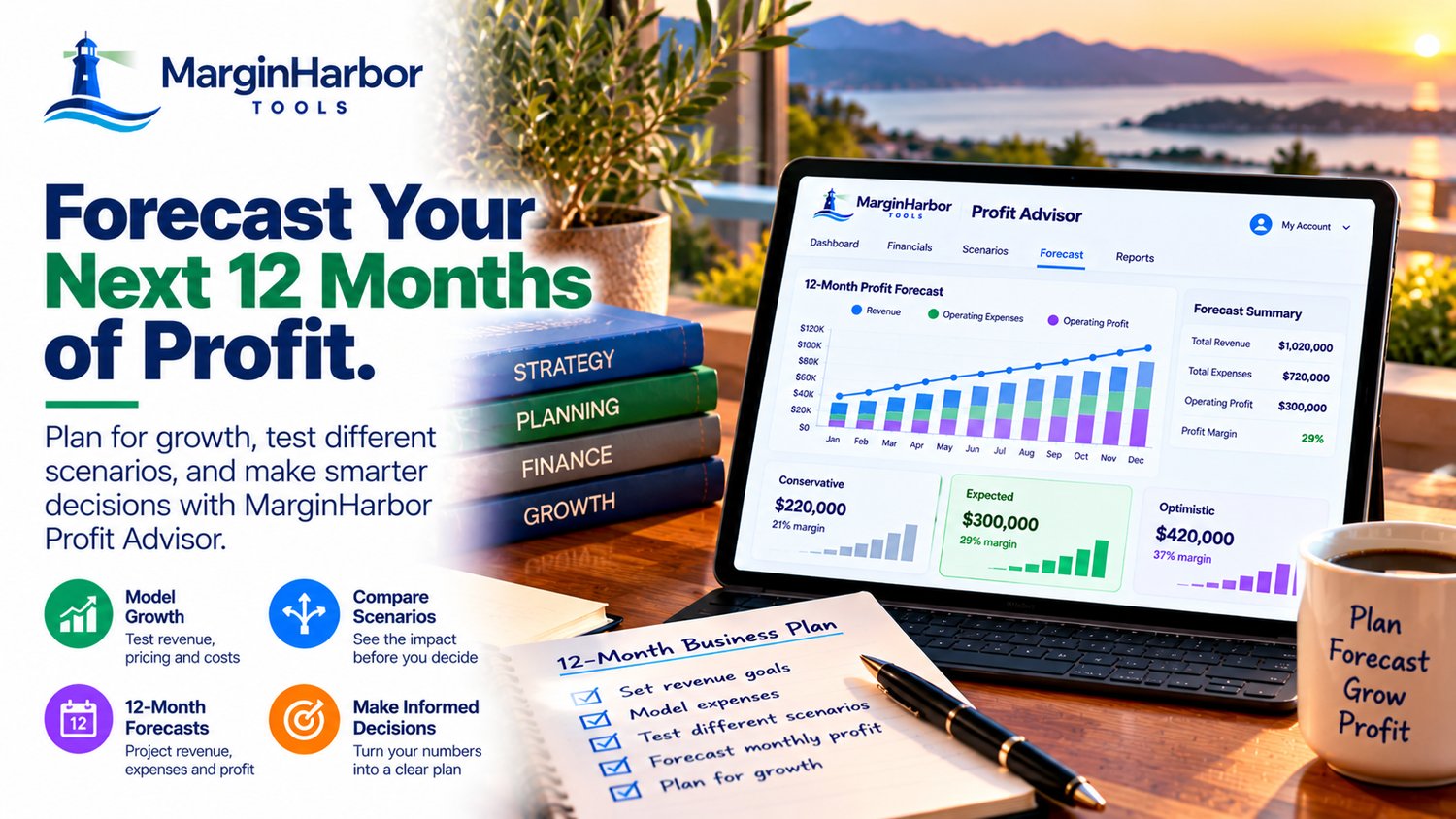
Knowing how much profit your business generated last month is important. Understanding how profitability could change over the next 12 months is even more valuable when planning expenses, evaluating growth opportunities, or deciding whether to make ...
Read More
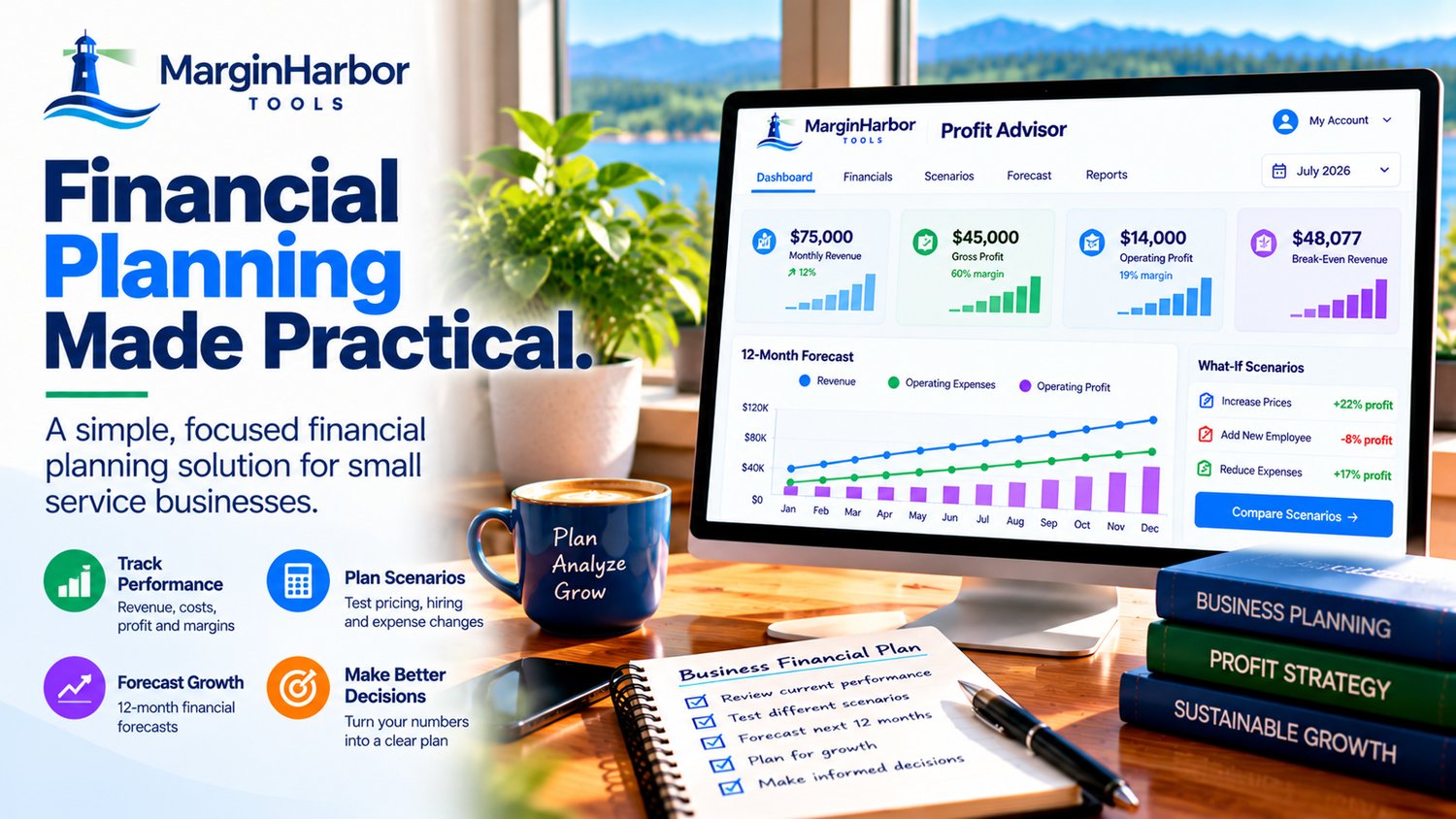
Small business owners make financial decisions almost every day. They determine how much to charge customers, whether to hire additional employees, when to increase marketing spending, and how to manage operating expenses. Yet many of these decision...
Read More

A business can generate steady revenue and still experience declining profitability. Supplier costs may rise, payroll expenses may increase, pricing may remain unchanged, and operating expenses can gradually consume a larger percentage of sales. Wit...
Read More